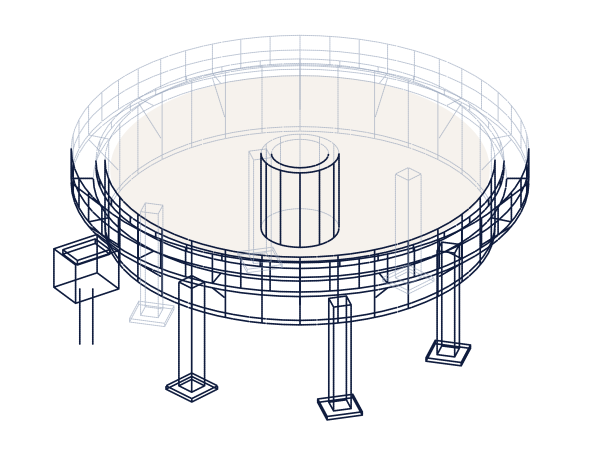
Effluent Treatment Plant
Engineered treatment for complex industrial effluents
Jyoti designs and executes industrial wastewater treatment systems based on actual effluent characteristics, pollution load and compliance requirements. Our solutions integrate physical, chemical, biological and tertiary treatment stages to reduce contaminants and support water reuse.
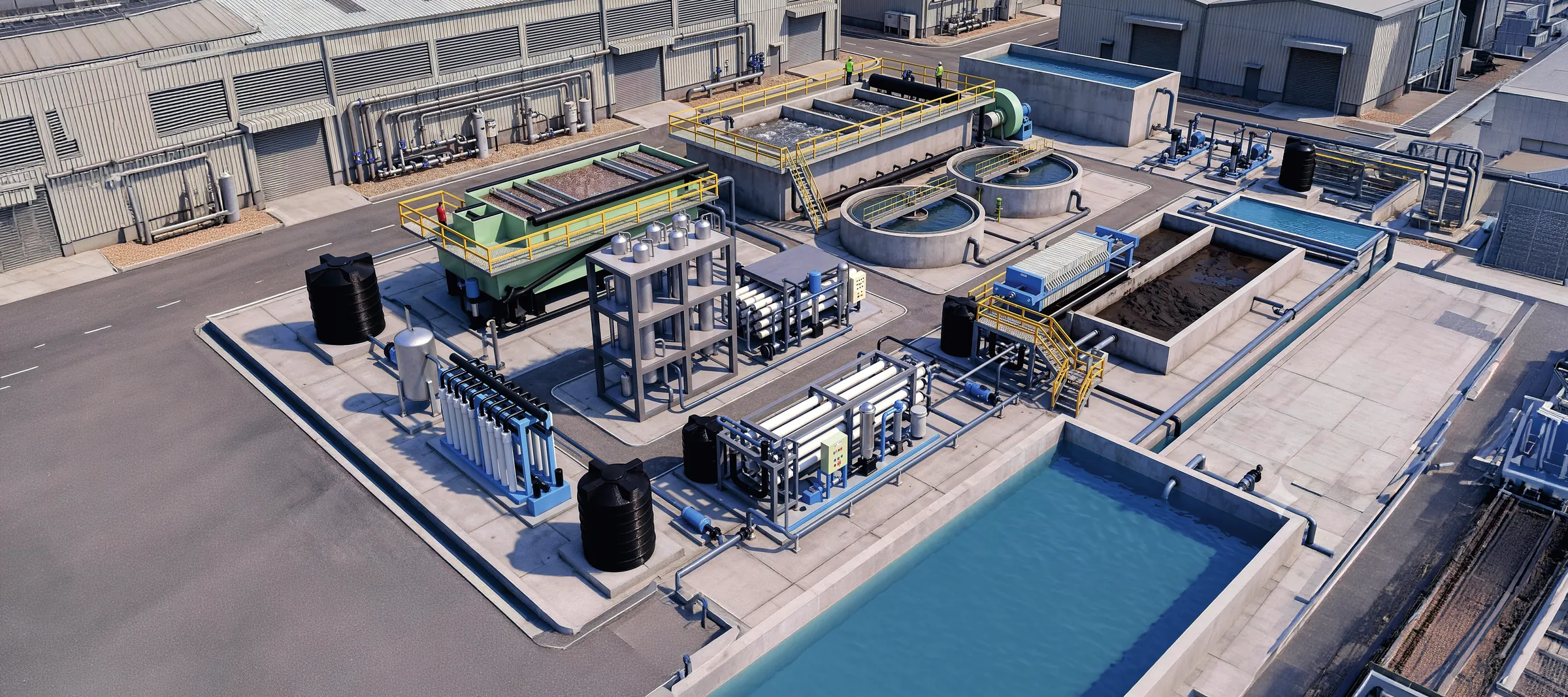
Effluent Treatment Plant (ETP) process
Every ETP starts in the laboratory: a treatability study of your effluent decides the chemistry, the biological process and the tertiary polish. Plants are built for textile, dyeing and printing, pharma, chemical, steel and metal, paper and food effluents, and are ready to be extended to recycling and ZLD.
Built by Jyoti, backed by Jyoti chemistry
Every unit is designed from your water analysis, fabricated at our Sachin GIDC and Kim (Karanj) facilities, and supported after commissioning with Jyoti treatment chemicals, audits and AMC.
Key features
- Treatability-study based design
- Physical, chemical, biological and tertiary stages
- Removes oil, grease, solids and floating impurities
- Coagulation, flocculation and pH correction
- BOD, COD and organic-load reduction
- Filtration, polishing, UF / RO and disinfection
- Sludge thickening and dewatering
- Designed to extend to recycling and ZLD
Applications
- Textile dyeing and printing
- Pharmaceutical and bulk-drug units
- Chemical and dye intermediates
- Steel and metal finishing
- Paper and pulp
- Sugar and distillery
- Food, dairy and edible oil
- Pigment and colour industries
Technical parameters
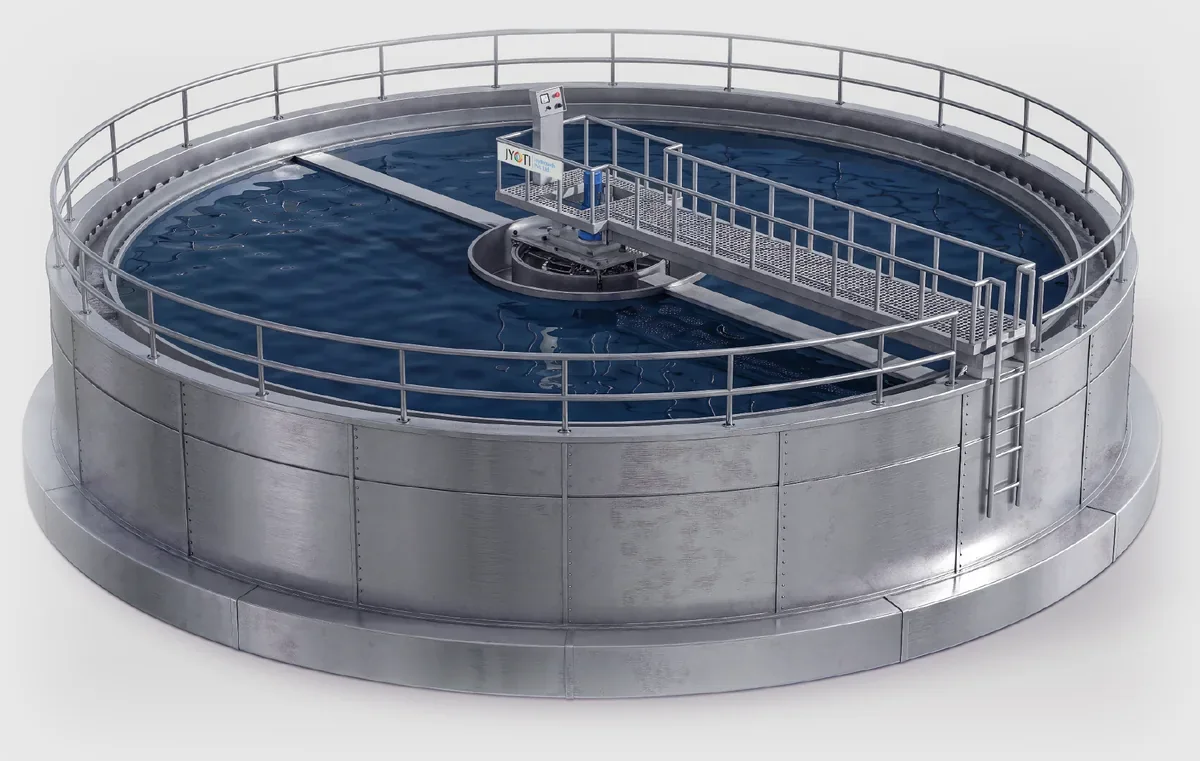
Typical construction and design ranges for a Jyoti Effluent Treatment Plant (ETP). Every plant is sized to your water.
| Parameter | Jyoti design |
|---|---|
| Primary | Screen, oil & grease separator, equalization, chemical dosing, DAF / clarifier |
| Biological | ASP, extended aeration, MBBR, SBR or MBR – selected per effluent |
| Tertiary | Multi grade filter, activated carbon filter, UF, disinfection |
| Sludge | Thickener, screw press / filter press, sludge drying |
| Chemistry | Jyoti coagulants, flocculants, colour removal and bio-cultures |
| Compliance | Designed to the outlet norms that apply to your unit (CPCB / State PCB) |
| Upgrade path | RO for recycling, second RO + MEE for Zero Liquid Discharge |
Indicative values. Final design, capacity and guaranteed outlet quality are fixed after a treatability study of your water.
Questions buyers ask about the Effluent Treatment Plant (ETP)
Not covered here? Ask an engineer on WhatsApp.
How is an ETP designed?
We start with sampling and a lab treatability study: jar tests for coagulants and flocculants, biological treatability, and a check of BOD, COD, TDS, colour and solids. Flow, load and outlet norms then fix the size of each unit.
What is the difference between an ETP and an STP?
An ETP treats industrial effluent, which can carry chemicals, colour, metals and high COD and usually needs chemical treatment. An STP treats domestic sewage, which is mostly biodegradable and is treated mainly biologically.
Can an existing ETP be upgraded instead of replaced?
Often yes. An audit of each unit shows where capacity or performance is lost. Typical upgrades are better chemistry, MBBR media in existing aeration tanks, a DAF or clarifier upgrade, and UF / RO for recycling.
Does Jyoti provide chemicals and bio-cultures for the ETP?
Yes. Jyoti manufactures coagulants, flocculants, colour-removal chemicals, defoamers and bio-cultures, so the plant and its chemistry come from one team.
Works well with
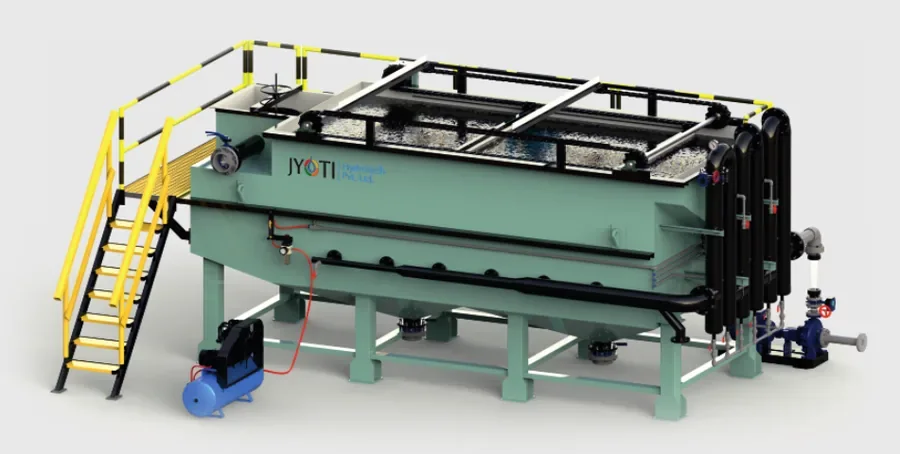
Dissolved Air Flotation (DAF)
Efficient removal of oil, solids and organic load
View details →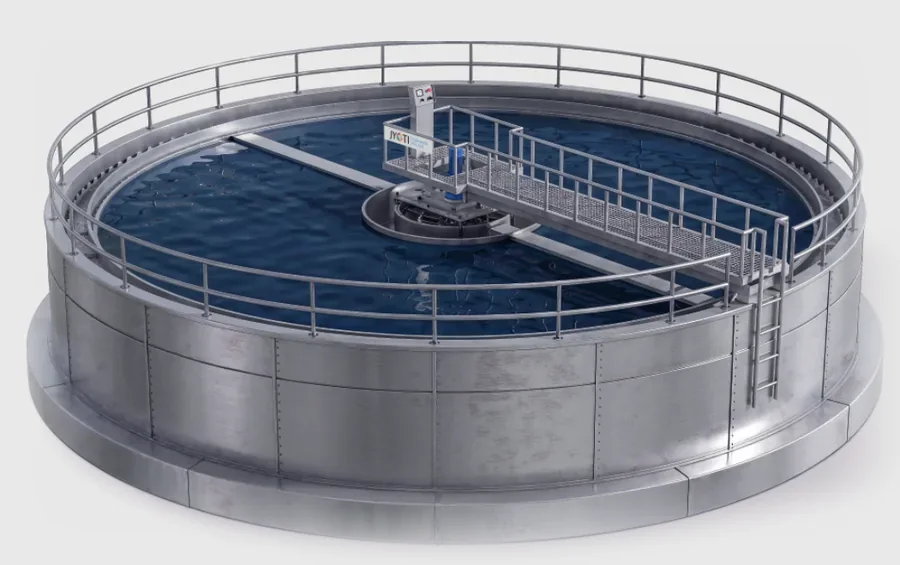
High-Rate Solids Contact Clarifier
High-rate clarification for efficient solid–liquid separation
View details →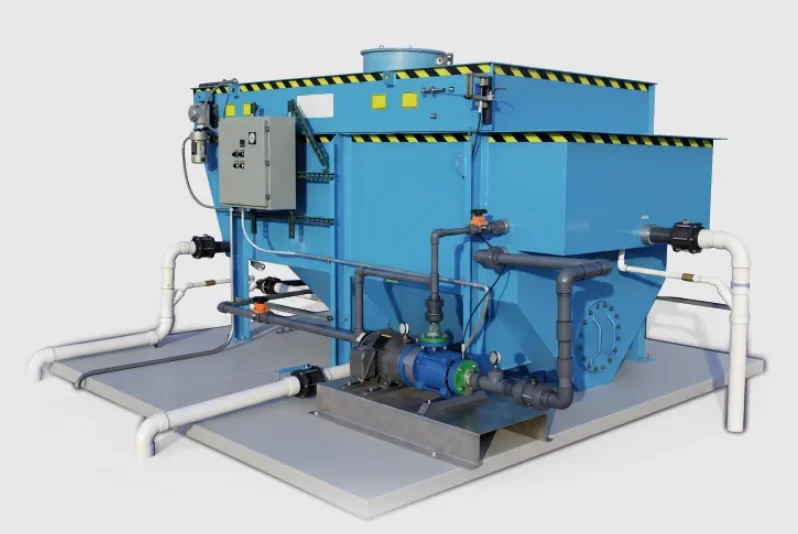
Moving Bed Bio-film Reactor (MBBR)
High-rate biological treatment on suspended carrier media
View details →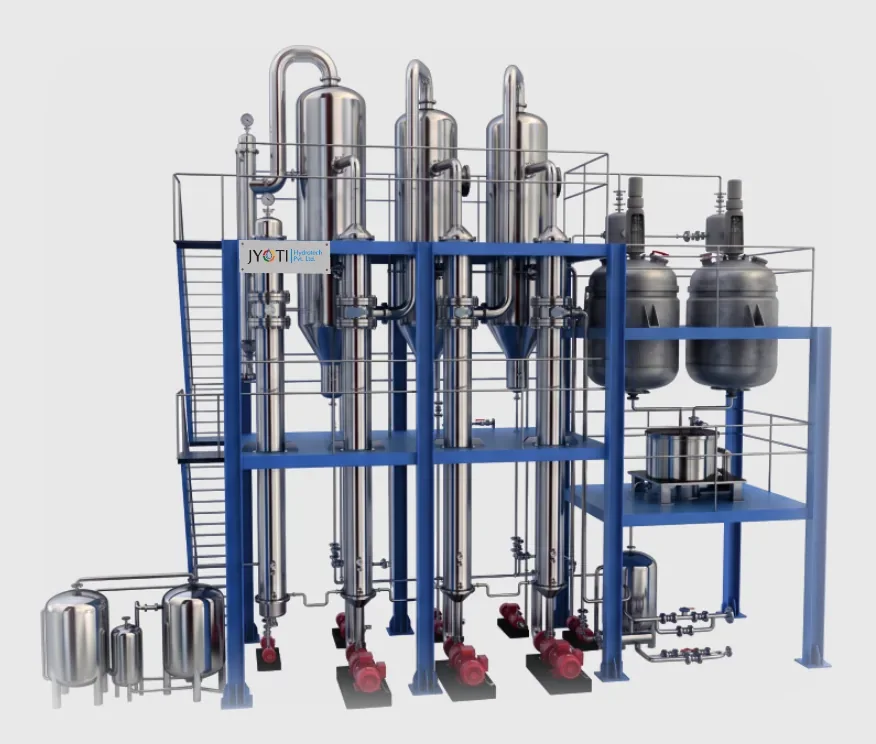
Zero Liquid Discharge (ZLD)
Complete water treatment and reuse – nothing leaves as liquid
View details →Want the full product booklet?
All Jyoti systems, equipment and the 78-product chemical range in one document.
Get a quote for your plant
Tell us about your water source, effluent, capacity and site. An engineer reviews it and comes back with the right scheme.
- Share your detailsWater or effluent type, flow (KLD / m³/h) and location.
- Engineer reviewWe call to clarify, and suggest sampling or a treatability study where needed.
- ProposalYou receive a technical scheme and commercial offer.