Multi-Effective Evaporation (MEE)
Efficient evaporation for high-TDS wastewater
The Multi Effective Evaporator is designed to concentrate high-TDS effluents, RO reject and brine streams in Zero Liquid Discharge systems. By reusing vapour energy across multiple effects, the system reduces steam consumption while recovering condensate and minimizing liquid waste volume.
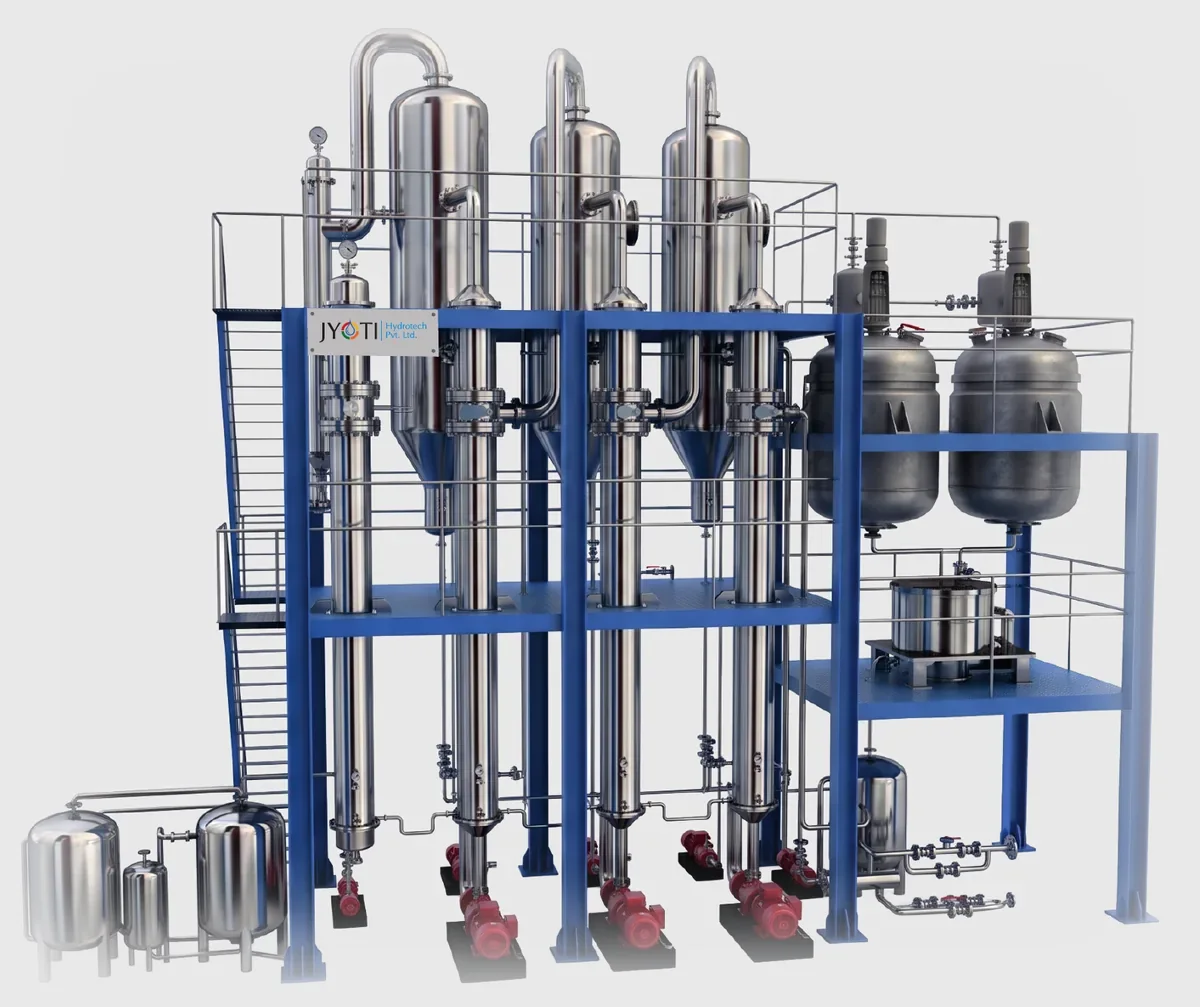
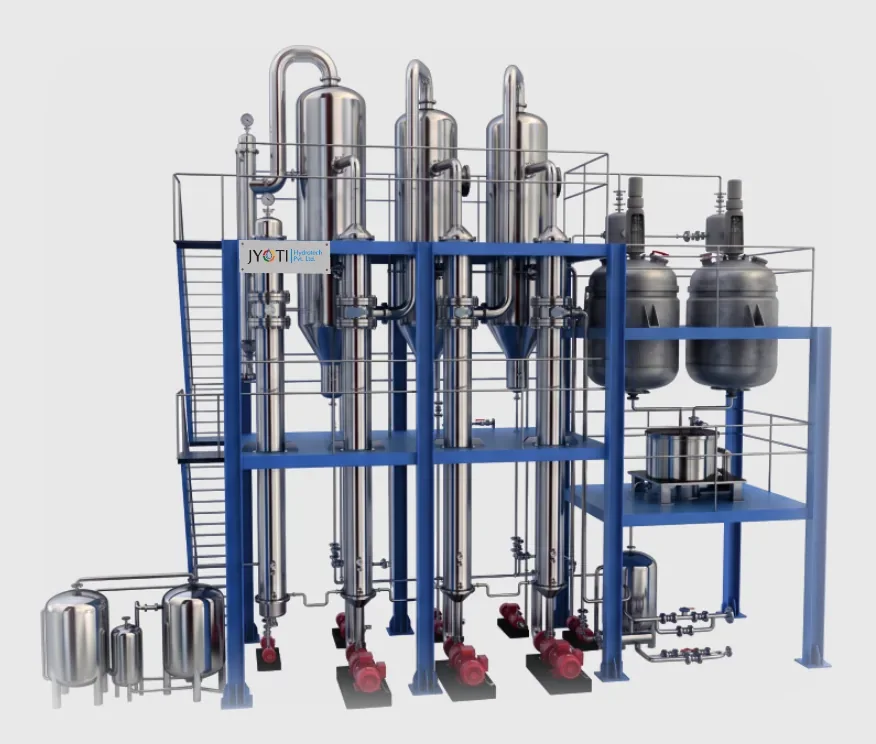
Multiple Effect Evaporator (MEE) process
Jyoti MEEs are built in stainless steel with forced-circulation or falling-film effects, and come with Jyoti's own MEE antiscalant and descaling chemicals to keep heat-transfer surfaces clean.
Built by Jyoti, backed by Jyoti chemistry
Every unit is designed from your water analysis, fabricated at our Sachin GIDC and Kim (Karanj) facilities, and supported after commissioning with Jyoti treatment chemicals, audits and AMC.
Key features
- Multi-effect design for better steam economy
- Reduces liquid waste volume
- Supports Zero Liquid Discharge systems
- Suitable for high-salinity effluents
- Helps recover condensate water
- Designed for continuous industrial operation
Applications
- Zero Liquid Discharge plants
- RO reject treatment
- Textile high-salt effluent
- Chemical industry wastewater
- Caustic recovery
- Pharmaceutical effluent
- Dyeing and printing wastewater

Technical parameters
Typical construction and design ranges for a Jyoti Multiple Effect Evaporator (MEE). Every plant is sized to your water.
| Parameter | Jyoti design |
|---|---|
| Effects | Typically 3 to 5 effects, chosen against steam cost |
| Type | Forced circulation / falling film |
| Material | SS 304 / SS 316 contact parts |
| Steam economy | Rises with the number of effects |
| Auxiliaries | Surface condenser, vacuum system, condensate and brine pumps |
| Chemicals | JC-801 MEE antiscalant, JC-802 MEE descaling chemical |
Indicative values. Final design, capacity and guaranteed outlet quality are fixed after a treatability study of your water.
Questions buyers ask about the Multiple Effect Evaporator (MEE)
Not covered here? Ask an engineer on WhatsApp.
Why use multiple effects?
Vapour from one effect heats the next, so each kilogram of live steam evaporates several kilograms of water. More effects mean lower steam cost but higher capital cost; the balance is set per project.
How do you prevent scaling in an MEE?
By controlling feed quality, dosing an MEE antiscalant such as JC-801, and periodic cleaning with a descaling chemical such as JC-802.
Works well with
Zero Liquid Discharge (ZLD)
Complete water treatment and reuse – nothing leaves as liquid
View details →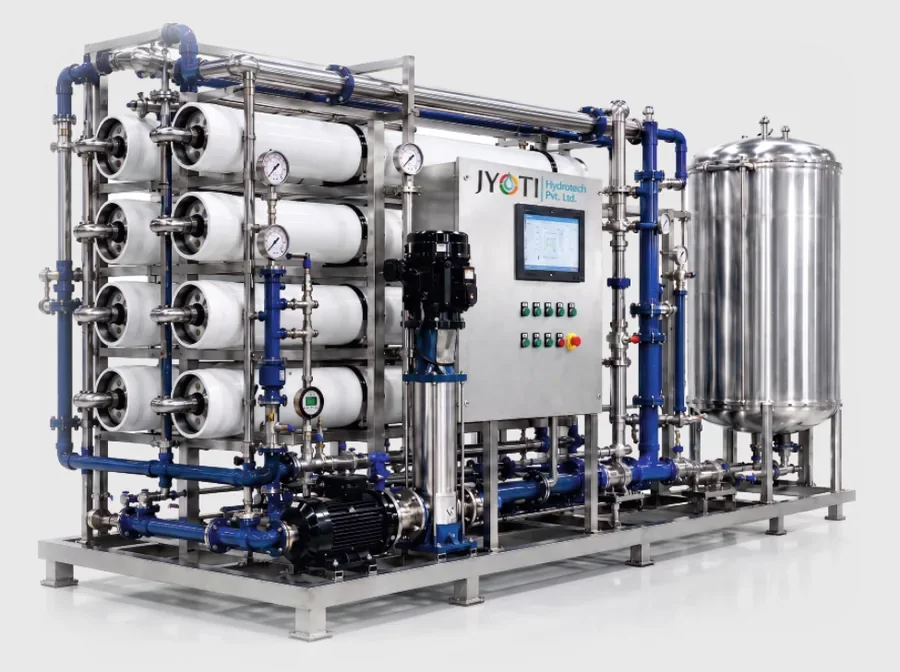
Reverse Osmosis (RO) Plant
Membrane desalting for process, boiler-feed and recycled water
View details →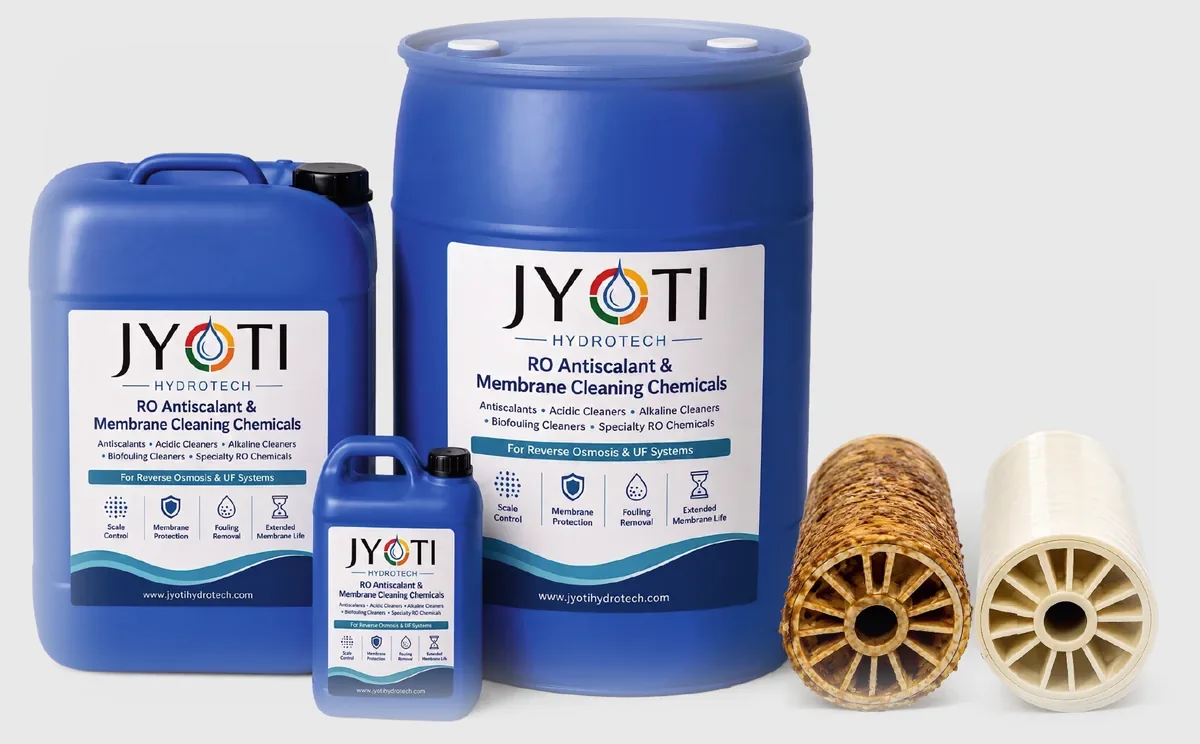
RO Antiscalants & Membrane Cleaners
Antiscalants, cleaners and MEE chemicals
View details →Want the full product booklet?
All Jyoti systems, equipment and the 78-product chemical range in one document.
Get a quote for your plant
Tell us about your water source, effluent, capacity and site. An engineer reviews it and comes back with the right scheme.
- Share your detailsWater or effluent type, flow (KLD / m³/h) and location.
- Engineer reviewWe call to clarify, and suggest sampling or a treatability study where needed.
- ProposalYou receive a technical scheme and commercial offer.