ETP vs STP vs CETP: What’s the Difference and Which One Does Your Plant Need?
Three plants, three jobs. A side-by-side comparison to help you pick the right one for your site.
 Santosh Prajapati · Managing Director
· 4 min read
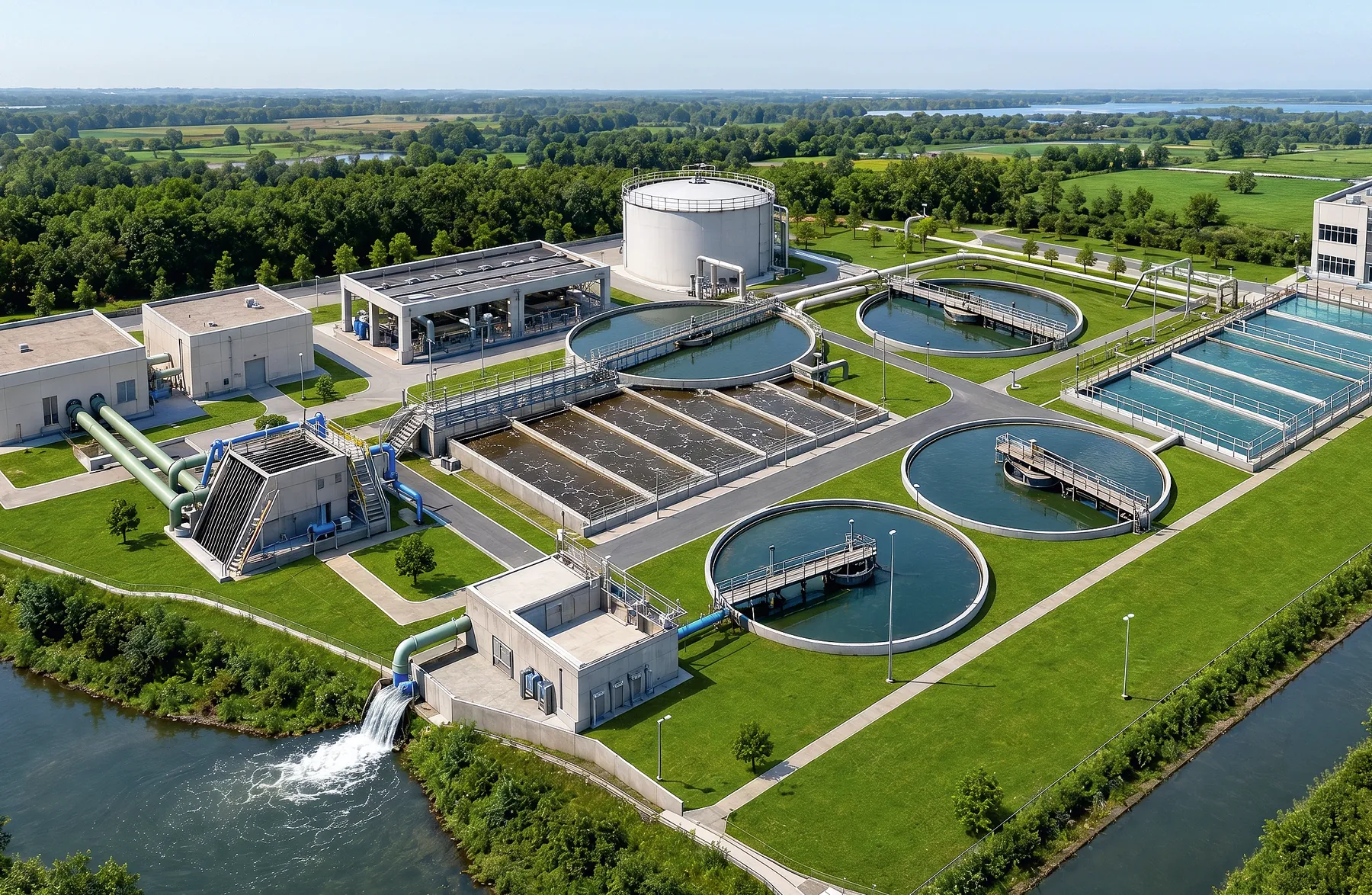
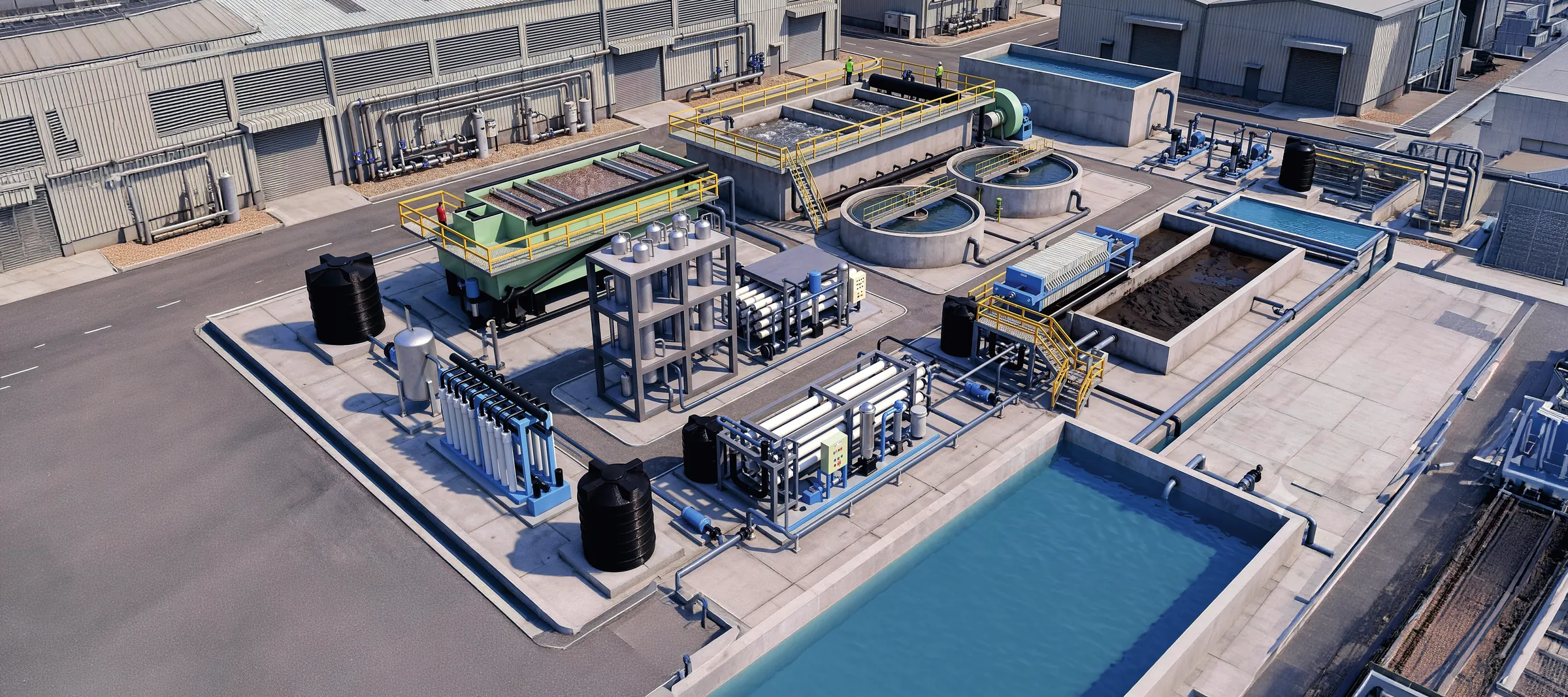
An ETP (effluent treatment plant) treats industrial process wastewater from one factory. An STP (sewage treatment plant) treats domestic sewage from toilets, kitchens and canteens. A CETP (common effluent treatment plant) treats the combined effluent of many small and medium units in an industrial estate. Many factories need both an ETP and an STP; small units may meet their obligation through a CETP.
What is an ETP?
An effluent treatment plant treats the process wastewater a factory produces. Industrial effluent can carry dyes, solvents, oil, metals, high COD and high salts, so an ETP usually combines chemical treatment with biological treatment and tertiary polishing. Read our full guide: what is an effluent treatment plant.
What is an STP?
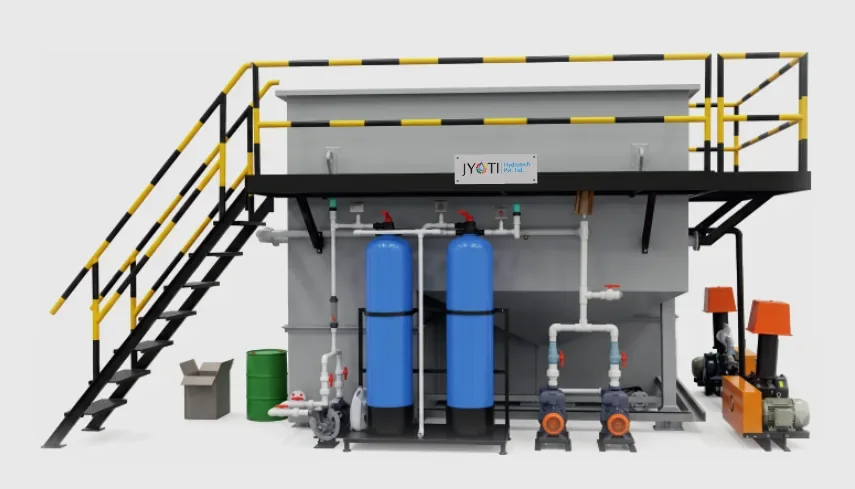
A sewage treatment plant treats domestic wastewater – from toilets, washrooms, kitchens and canteens – in factories, townships, hotels, hospitals and institutions. Sewage is mostly biodegradable, so an STP relies mainly on biological treatment such as extended aeration, MBBR, SBR or MBR, followed by filtration and disinfection. The treated water is commonly reused for flushing and gardening. See Jyoti sewage treatment plants.
What is a CETP?
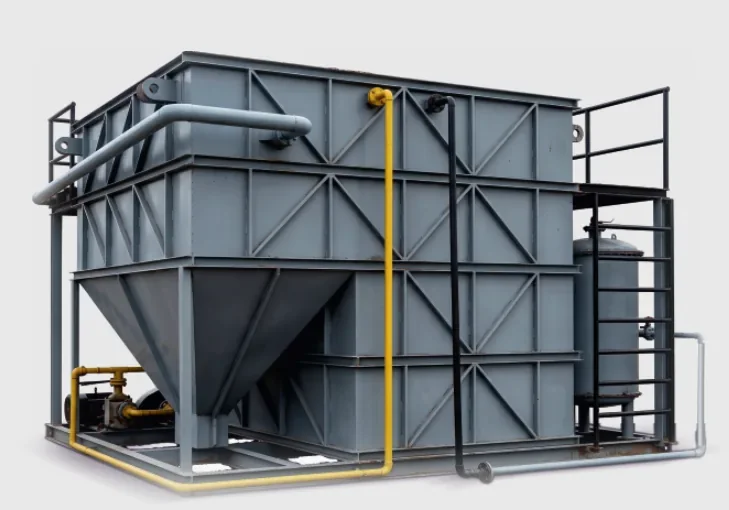
A common effluent treatment plant is a shared facility in an industrial estate. Member units send their effluent – usually after pre-treatment at their own premises – through a common network to the CETP, which treats it to discharge norms. Sharing the plant gives small units compliant treatment at a fraction of the cost and effort of running their own. See CETP solutions.
How do ETP, STP and CETP compare?
| ETP | STP | CETP | |
|---|---|---|---|
| Treats | Industrial process effluent | Domestic sewage | Combined effluent of many units |
| Typical pollutants | COD, colour, oil, metals, TDS, toxic compounds | BOD, TSS, nitrogen, pathogens | Mixed and variable industrial pollutants |
| Main process | Physico-chemical + biological + tertiary | Mainly biological + filtration + disinfection | Large-scale physico-chemical + biological |
| Who runs it | The factory | The factory, building or township | A CETP society or operator |
| Load variation | Depends on production | Fairly steady daily pattern | High – many different members |
| Common reuse | Process, cooling, boiler feed (with RO) | Flushing, gardening, cooling | Depends on the estate |
Can one plant treat both industrial effluent and sewage?
Sometimes, but it should be a design decision, not a shortcut. Domestic sewage is usually kept separate because its volume and character are different and it is easier to reuse. In some industrial schemes a small sewage stream is routed into the ETP’s biological stage, where it can even help the biomass with nutrients – but only after the designer has checked loads, toxicity and the consent conditions.
Should a factory join a CETP or build its own ETP?
Joining a CETP usually makes sense when:
- Your unit is small or medium and sits in an estate served by a CETP
- Your effluent can meet the CETP’s inlet norms after simple pre-treatment
- Space, capital and skilled operators for your own ETP are limited
Your own ETP is usually the better route when:
- Your effluent is strong, toxic or very different from the estate’s average
- You want to recycle the water back into your process
- Your consent requires zero liquid discharge or limits the CETP cannot meet for you
- There is no CETP, or it is running at full capacity
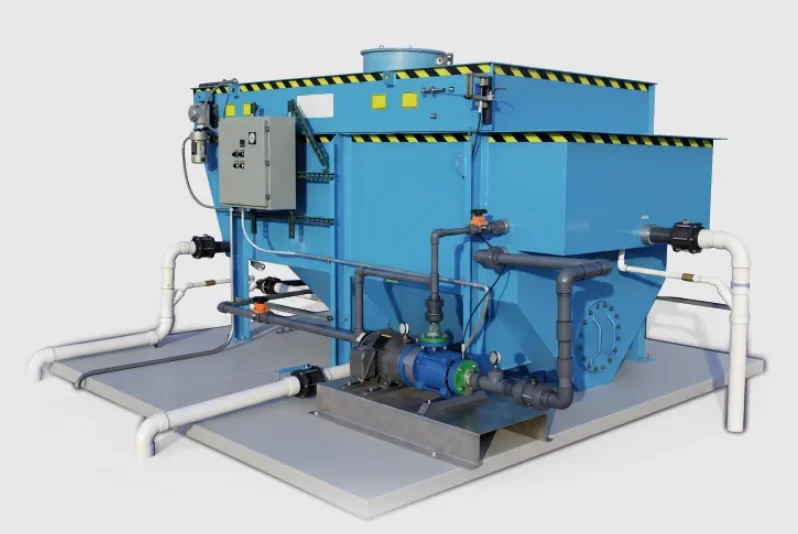
Even CETP members normally need a packaged pre-treatment plant to meet inlet norms.
How do you decide what your site needs?
- List every water stream: process, washing, cooling-tower blowdown, boiler blowdown, domestic.
- Measure flow and quality for each – a short sampling campaign is enough to start.
- Read your consent to establish / operate: what must be treated, where it may go and to what limits.
- Check whether a CETP serves your estate and what its inlet norms are.
- Decide what you want back: discharge only, partial reuse, or ZLD.
- Ask a treatment specialist for a scheme based on this data.
Not sure where you stand? Send us your water details and a Jyoti engineer will suggest the right combination.
Key takeaways
- ETP = industrial effluent, STP = domestic sewage, CETP = shared plant for an industrial estate.
- Many factories need both an ETP and an STP, kept as separate streams.
- CETP members usually still need pre-treatment to meet inlet norms.
- Recycling or ZLD goals usually point to your own ETP.
Frequently asked questions
Is an STP enough for a factory?
Only if the factory has no process wastewater. Any industrial effluent needs an ETP or a CETP connection; the STP handles domestic sewage.
What is the main difference between ETP and STP?
An ETP treats industrial effluent that can contain chemicals, colour and metals, so it combines chemical and biological treatment. An STP treats domestic sewage, which is mainly biodegradable and is treated biologically.
Do CETP members need their own treatment?
Usually yes. Members neutralise their effluent and remove specific pollutants so it meets the CETP’s inlet norms before sending it.
Can STP water be reused?
Yes. After filtration and disinfection, treated sewage is widely reused for flushing, gardening and cooling-tower make-up.

Santosh Prajapati founded Jyoti Hydrotech Pvt. Ltd. in Surat in 1993 and leads the company as Managing Director. Under his leadership Jyoti has designed, built and run water and wastewater treatment plants for Indian industry – ETP, STP, RO, ZLD and more – and exported systems to eight countries.